

I'm Getting High on My Own Supply (Part 1)
On deciding which of the 10 Crack Commandments to follow--and which ones to break

I cannot help it.
Call it First-Born Syndrome. Call it how my anxiety manifests. But I crave rules. It isn’t so much that I’m necessary a rule-follower. But I do feel most comfortable when I am a rule-knower…when I’m not operating in environments where there appear to be neither rhymes nor reasons to what is going on—or where the reasons are evident to everyone else but me.
Such that it is that I find myself in my Season of Leaping searching for a set of rules I can use to guide my actions as a creative and maker. And I was relieved to find guidance from the late great philosopher, Christopher Wallace.
His 10 Crack Commandments, of course, were about the drug trade. They have been applied more broadly, however, including to guide people in running a business. (See this great post from Ed Latimore on this platform from a couple years ago, for example.) Hamilton uses the structure and elements for the 10 Duel Commandments, laying out the rules of a means for proper and honorable 18th century gentlemen to settle disputes. I’m sure there are folks—non-drug dealer type folks—who apply the rules The Notorious B.I.G. laid out to their general way of living life in the world.
I’m applying the Commandments to how I plan to move in my career and in my creative life. I’ve made some important adjustments, of course. And as I mention, each commandment is useful to me even if, upon reflection, I’ve decided I’m going to do the exact opposite.
Here are the paraphrased 10 Crack Commandments. I’ll talk about the first five in this post, and take up six through 10 in another post.
Never let anyone know how much dough you hold
Never let them know your next move
Never trust nobody
Never get high on your own supply
Never sell crack where you rest at
That credit? Dead it!
Keep your family and business completely separated
Never keep weight on you
If you ain't gettin' bagged, stay the eff from police/
If folks think you snitchin' they ain't tryna listen/
They be sittin' in your kitchen, waiting to start hittin'Never work on consignment
Never let anyone know how much dough you hold
I understand the original meaning of this first commandment: others will become jealous if you disclose how much money you’re making from the trade. And jealously brings all manner of discontent from them and potential danger to you.
For me, this is about “dough” more generally: successes, triumphs, anything that brings me joy and pride. And in my case, up until this time I’ve tended to follow this first commandment too well. Until recently I’ve been concerned, overly so, with not appearing too “full of myself” lest others resent me or think I thought I was better than them. (Interestingly, this has been true—in different ways—for me in both majority white and majority Black environments.)
Now my motto, in the words of another rapper, is: Turn down? For what??!
Applied to my various career and creative projects, I cannot control how others feel when I share about my projects and any rewards I may earn as a result of them. I cannot control their assessments of my luck and good fortune, for example in accessing arts related opportunities. I cannot stop anyone from labelling me a “DEI hire” or any other such nonsense.
I can assume that someone listening may be inspired to also be more creative, or may reach out with stories of successes in some project or another of their own that I might benefit from. I can assume that me not being so humble will become a multiplying effect that draws me into circles where other creatives are trying to move in the same directions I am.
The other part of this is that I should also feel free to be vulnerable in sharing some of my defeats and failures and struggles in my making life, for many of the same reasons.
Never let them know your next move
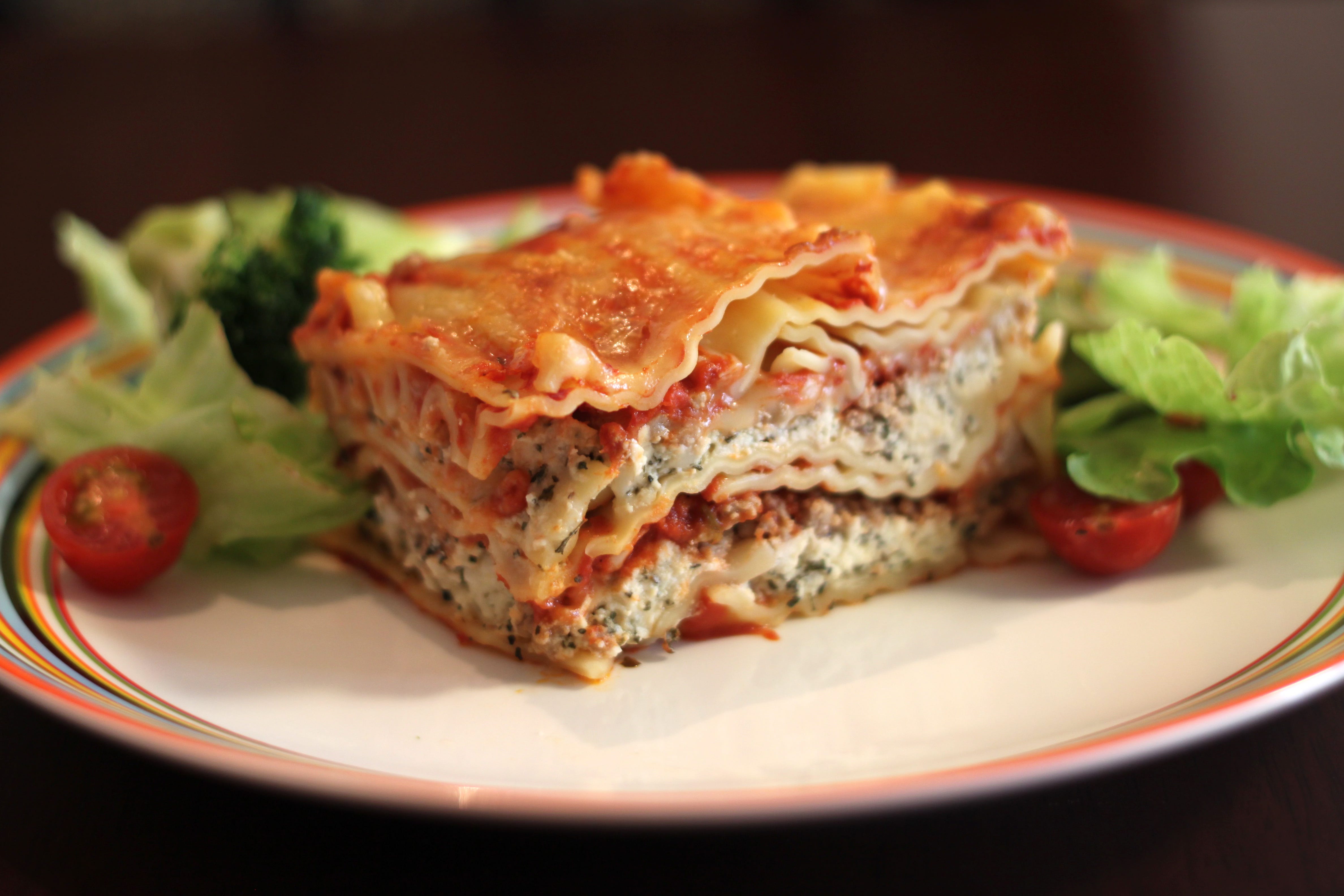
Yes, I know there are risks in broadcasting my plans. But for me, in the past those risks have been less about someone scooping my good ideas and more about my tendency to talk about what I’m going to do or make or write more than actually doing the damn thing. So this commandment, for me, goes both ways. I plan to be more strategic. I intend to determine when moving like the g in lasagna will help motivate me to bring a project to completion such that I only share after the fact, and when sharing my plans can actually help me hold myself accountable for following through.
And again, sometimes me broadcasting my next moves spurs someone to reach out and say “hey, I know about a technique that might help you with that…”
So, there are times when Real Gs move in silence and violence, and there are times when they move in talk and transparency.
Never trust nobody
As a long-time grammar nerd, I love mulling over this commandment. I know Biggie means “trust no one” or “never trust anyone.” I can say that I don’t not trust anybody. Or, I don’t trust just anybody…
I’ve learned over the years to be more discerning about who I will trust with my ideas and results of my creative endeavors and who I will not. I am intentional about who to be vulnerable around when sharing, and to what extent. My poems, my other writing, my artwork, objects from new creative practices I haven’t yet mastered—it’s easy for me to think about them as extensions of my body and being. It’s hard to know who will handle these parts of me with care and love and who cannot wait to stomp on them.
But at some point, being too focused on trust can be a deterrent to my putting myself out there. I’ve often been more hurt by blanket praise that does not force me to reconsider, to grow, and to improve in my making than by people who have criticized with the sole goal of causing me pain. And any feedback that does not assume that I am always capable of improving my work is most unhelpful: the soft bigotry of low expectations is a real and pernicious thing.
On the other hand, maybe it’s actually more about me trusting myself:
Can I handle tough love right now? Or, do I actually just need a hug and words of encouragement?
Am I ready to sift through some critique, even through the sharp glass of broken beer bottles and sharp needles of used syringes of someone else’s bitterness, to find the golden nuggets of constructive criticism that might actually push my work forward and make me a better maker?
How strongly do I believe in this idea right now—is the idea mature and hardy enough to survive a wet blanket to its face, or should I wait a bit before trusting someone else to look at it?
Never get high on your own supply
Commandment number four was probably important to Biggie because he saw what happened to Tony Montana when he did not follow this rule. As a dealer, partaking of your own drugs causes addiction and eats into your profit margin. Again in my case, I'm not talking about the drug trade, but trying to live a more full life as a maker. So I could interpret this commandment about “supply” as having to do with art supplies, writing supplies, blank journals, etc. And, well, I've already written here about my inability to keep myself from partaking in these supplies.
A more metaphorical interpretation of this commandment is that I should not become overconfident. I should not believe my own hype, as doing so can make me lose perspective and impair my judgment as assuredly as if I were putting product into my nostrils.
In my professional life I frequently am tasked with advising and counseling others, helping them negate their feelings of imposterism and inadequacy so that they can grow into their potential. However, this has often been advice for thee but not for me. Whatever the reason—being a “good girl,” trying to fit in, racial code switching, whatever whatever—my default has been humbleness and not being ruled by ambition.
This is especially true of my talents as a creative person.
But here there is another component: negative self-talk that can bump me down a few pegs when I’m feeling proud of my efforts. This quickly morphs into certainty that if I try to reach the heights of others who are [better/more talented/at a higher level/more successful] than me, if I fly too close to the sun, I will burn and crash. Much like in the legend of Icarus.
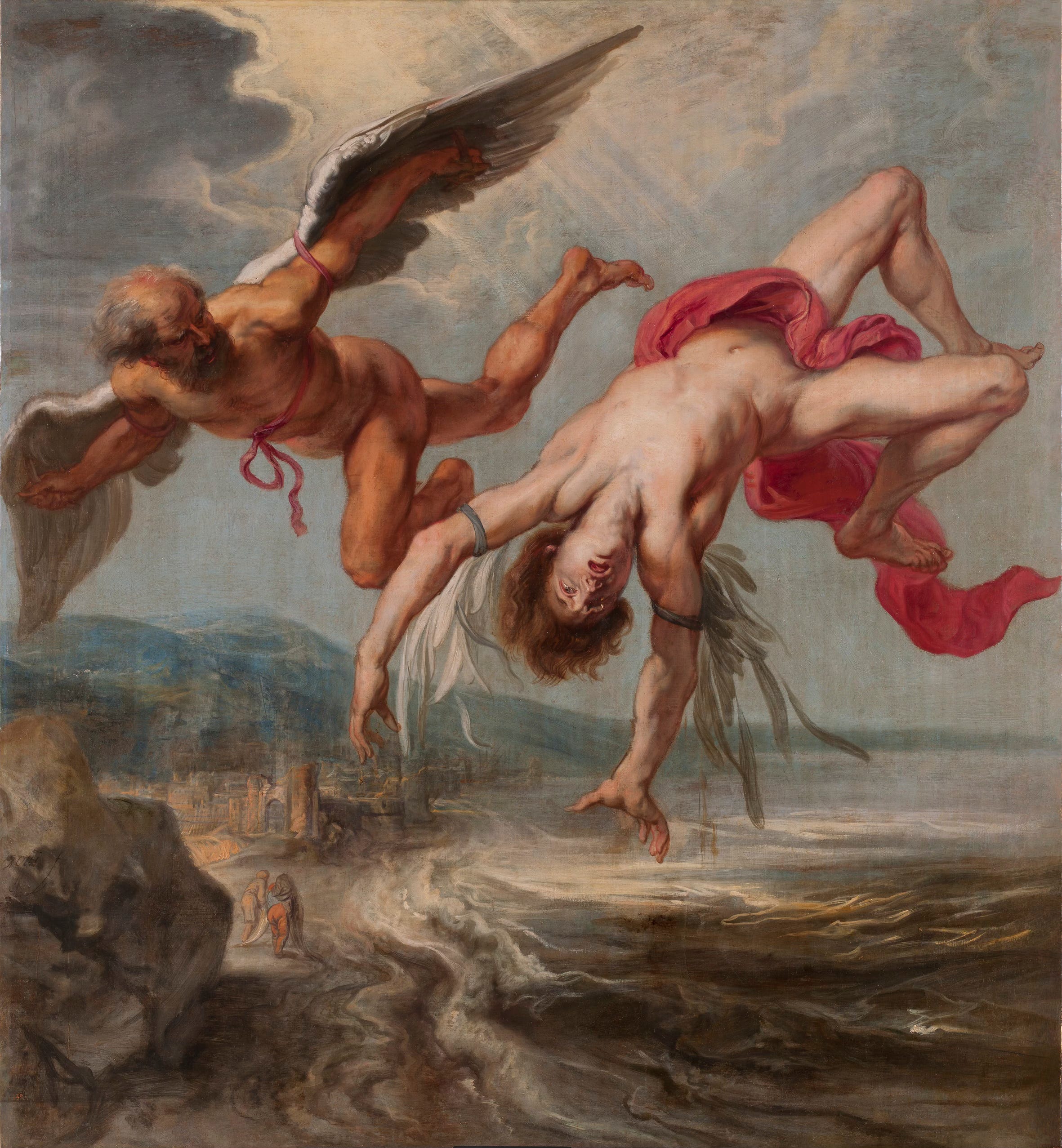
Years ago I read a passage in a book by Seth Godin about this myth that stopped me cold. In the myth, master craftsman Daedalus helps his son, Icarus, make an escape flight from prison by making him a pair of wings affixed with beeswax. He warns his son not to fly too close to the sun, lest the wax melts, sending him crashing to the earth. But newly-winged Icarus, overcome with hubris, does just that, plunging to his death in the sea.
Godin’s book that I picked up (The Icarus Deception) relates this part of the myth (which was familiar to me) but then provides the part that, somehow, has gotten lost:
The part of the myth you weren't told: in addition to telling Icarus not to fly too high, Daedalus instructed his son not to fly too low, too close to the sea, because the water would ruin the lift in his wings.
Society has altered the myth, encouraging us to forget the part about the sea, and created a culture where we can constantly remind one another about the dangers of standing up, standing out and making a ruckus. Industrialists have made hubris a cardinal sin, but conveniently ignored a far more common failing: settling for too little.
It could be that at some point in my making evolution I overcorrect, and find I need to heed the more familiar part of the myth (don’t fly too close to the sun) and follow the 4th Crack Commandment (Never get high on your own supply).
But for now—again: Turn down for what?!?
Never sell crack where you rest at
I re-interpret commandment number five to be about a local versus more global focus in my creative endeavors. Because I’ve moved around so much, both as a child and as an adult, I've never really worked very hard at connecting to wherever I was living at the time. This includes connections to people, institutions, and organizations related to the arts. Sure, one of the first things I always did when moving to a new city was get a library card and regularly visit whatever museums might be in town. But beyond that, I made little effort, really, to become involved in local arts scenes as a community member.
For my next phase of life, however, I am going to be more intentional about making connections and forging collaborations in my own backyard. I still have friends and colleagues and collaborators all over the country and world—people I write with, people I talk to about art, people who I know can provide me valuable feedback about my projects. But there are also people in my city and in my region who I am excited to work with and learn from.
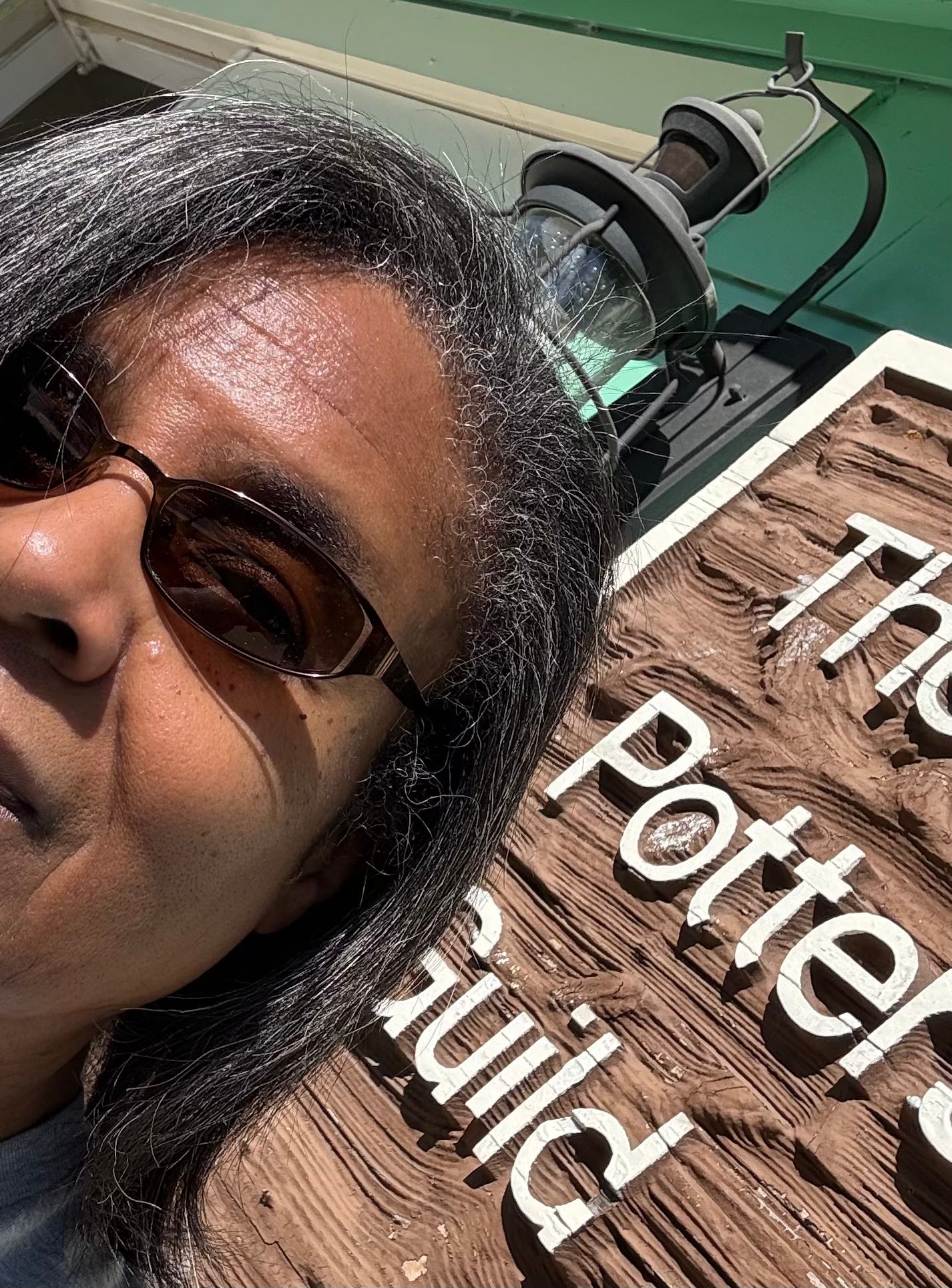
I already have several things in the works in my own community that I’m excited to share in future posts. As one example, a huge goal I reached last year was being accepted as a provisional member in my city’s potters’ guild. After almost two years of classes I took the plunge and submitted some of my work to be evaluated. Though my three bowls, one mug, and one very wonky teapot were not great, they were good enough to allow others to see that I was ready to move to the next level of being a potter. By this time next year I will be even better than I am today, hopefully exceptional enough to become a full member, able to sell my work through the guild.
In the meantime, I’m discovering how cool it is to be at an art event or even at Costco and run into one of my fellow guild members. There is just something about being in close geographical community with other creatives.
The shift to the local is bigger than my creative endeavors, though. It is a movement, encompassing such things as politics, economies, food, and relationships. It probably has to do in part with current dissatisfactions with the ways some technologies that were supposed to connect us and make us less lonely are doing the opposite. Maybe it is something that the global COVID-19 pandemic actually helped usher in, as people looked to pods of nearby folks they could be with safely.
All I know is that there are benefits to the cross pollination that can occur when collaborating across borders and within borders. This movement feels to be, for me, both necessary and obvious.
Next up: financial and reputational considerations—and more
I’ll take up the next five commandments next time, exploring such considerations as costs and debt—relational, financial, and reputational.
It has been a wonderful thing for me to discover through this reflection process that there are rules to this shit that I can adapt to create my own manual…a step-by-step booklet for me to get my creativity game on track. (Not my wig pushed back.)